Refine by health condition
Pediatrician Search Results
MediFind found 666 specialists near Fort Meade, MD

Rubenstein Child Health Building
Dr. Julie Hoover-Fong is a Professor of Genetic Medicine and Pediatrics and Director of the Greenberg Center for Skeletal Dysplasias at Johns Hopkins University. Dr. Hoover-Fong holds a bachelor’s degree in Human Nutrition from The Ohio State University, where she also completed her medical degree. She received her Ph.D. in the Graduate Training Program in Clinical Investigation at the Johns Hopkins University School of Medicine and Bloomberg School of Public Health. Dr. Hoover-Fong completed a pediatric internship and residency at Washington University in St. Louis and a fellowship in medical genetics at Johns Hopkins University in Baltimore. She joined the Johns Hopkins University faculty in 2002 and progressed to Professor of Genetic Medicine and Pediatrics in 2019. She practices and oversees the clinical operations, research and educational ventures for the patients, families and healthcare providers served by the Greenberg Center. Her clinical team develops and improves diagnostic and treatment guidelines for comprehensive care of patients with all types of bone conditions including dwarfism, orofacial clefting, craniosynostosis and more. Dr. Hoover-Fong also mentors and teaches medical students, residents and genetic medicine trainees. As an active clinical researcher, Dr. Hoover-Fong is the Principal Investigator of multiple global clinical trials for achondroplasia, the first multi-center, investigator-initiated natural history study for achondroplasia, and multiple clinical studies for patients with orofacial clefting, hypophosphatasia and other conditions. She is also a co-investigator on the ELSI and Phenotype Review Committees for the Mendel Project, a whole exome sequencing venture to identify the genetic cause of Mendelian conditions. From an institutional service perspective, Dr. Hoover-Fong serves on the Johns Hopkins Associate Professor Promotions Committee and the Advisory Committee for the Graduate Training Program in Clinical Investigation. She serves on the Medical Advisory Board of the Little People of America, is a member of the Miller-Coulson Academy of Clinical Excellence at Johns Hopkins University and is a charter member of the International Skeletal Dysplasia Management Consortium, publishing best practice guidelines for patients with skeletal dysplasias. Dr. Hoover is highly rated in 27 conditions, according to our data. Her top areas of expertise are Achondroplasia, Rhizomelic Syndrome, Spondyloepimetaphyseal Dysplasia Strudwick Type, Adenoidectomy, and Myringotomy.

Johns Hopkins Outpatient Center
Carl E. Stafstrom is a pediatric neurologist, caring for children with epilepsy. Dr. Stafstrom received his medical degree from the University of Washington School of Medicine in Seattle, with residencies at the University of Washington Medical Center and Tufts New England Medical Center, as well as fellowships at Harvard for neurology research and Boston Children’s Hospital in clinical neurophysiology, electroencephalography, and epilepsy. Dr. Stafstrom previously served as Professor of Neurology and Pediatrics at the University of Wisconsin-Madison School of Medicine and Public Health and Chief of Pediatric Neurology at American Family Children’s Hospital at UW Madison. Dr. Stafstrom is highly rated in 15 conditions, according to our data. His top areas of expertise are Epilepsy, Seizures, West Syndrome, Juvenile Myoclonic Epilepsy, and Endovascular Embolization.

Johns Hopkins Outpatient Center
Dr. Eric Kossoff focuses on the diagnosis and treatment of childhood seizures and epilepsy, particularly treatments other than medications such as diet and neurostimulation. He is one of the world experts on dietary treatment for epilepsy (ketogenic diet) and lectures around the world about this therapy. His specific interests include the ketogenic diet, the modified Atkins diet for children and adults, infantile spasms, benign rolandic epilepsy, the interaction of migraine headaches with epilepsy, and Sturge-Weber syndrome. Dr. Eric Kossoff is also very involved in teaching and is the Director of the Pediatric Neurology Residency Program. He is a professor of neurology and pediatrics at the Johns Hopkins University School of Medicine. He is a co-author of Treatment of Pediatric Neurologic Disorders and the 7th edition of Ketogenic Diet Therapies. Dr. Kossoff sees patients in the Johns Hopkins Outpatient Center (5th floor) in Baltimore on Tuesday afternoons and Thursday mornings. He sees patients at Green Spring Station on Wednesday afternoons. He also participates in telemedicine. Dr. Kossoff received his medical degree from SUNY at Buffalo School of Medicine in New York. He went on to complete a residency in pediatrics at Eastern Virginia Medical School in Norfolk, Virginia. He completed a second residency in child neurology and a fellowship in pediatric epilepsy and clinical neurophysiology at The Johns Hopkins Hospital in Baltimore. Dr. Kossoff is highly rated in 13 conditions, according to our data. His top areas of expertise are Epilepsy, Epilepsy in Children, Seizures, Endovascular Embolization, and Gastrostomy.

Rubenstein Child Health Building
Dr. Heather Noelle Di Carlo is an associate professor of urology at the Johns Hopkins University School of Medicine. She treats all pediatric urological disorders in young males and females while specializing in renal sparing surgery and complex reconstruction of the genitourinary tract in patients with the exstrophy-epispadias complex, disorders of sexual development (DSD) and other congenital anomalies. She serves as the Director of Pediatric Urology Research and is the interim Division Director of Pediatric Urology. A native of New York, Dr. Di Carlo graduated from Emory University with a B.S. in neuroscience and music, and the State University of New York at Stony Brook School of Medicine. Following general surgery and urology residency training at Stony Brook Medical Center, she completed a pediatric urology fellowship at the James Buchanan Brady Urological Institute. Dr. Di Carlo has special clinical and basic science interests in the exstrophy-epispadias complex, spina bifida and renal transplantation. Dr. Di Carlo is highly rated in 11 conditions, according to our data. Her top areas of expertise are Exstrophy of the Bladder, Exstrophy-Epispadias Complex, Cloacal Exstrophy, Bladder Reconstruction, and Osteotomy.

Johns Hopkins Outpatient Center
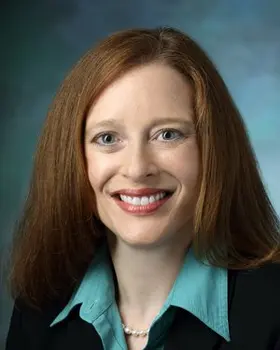
Catherine Chu is the director of the Division of Pediatric Neurology and the John M. Freeman Pediatric Epilepsy Center in the Johns Hopkins Department of Neurology, as well as the vice president of child neurology at the Kennedy Krieger Institute. As a child neurologist, epileptologist and clinical neurophysiologist, Dr. Chu cares for children diagnosed with epilepsy and disorders of the nervous system (neurophysiology). She specializes in electroencephalogram (also known as EEG) analysis, seizure localization, surgical planning and neuromodulation for adult and pediatric patients with difficult to control epilepsy. She is nationally and internationally recognized for her work identifying causes of and treatment options for cognitive dysfunction and seizures in epilepsy and neurodevelopmental disorders. Dr. Chu’s team specializes in identifying and developing tools to detect and understand brain rhythms that support complex cognitive functions throughout development, including how these rhythms are disrupted by seizures and neurodevelopmental disorders. Dr. Chu earned her medical degree and a master’s degree in social anthropology from Harvard University. She completed an internship in pediatrics at Massachusetts General Hospital, and then a residency in neurology and child neurology at Massachusetts General and Brigham and Women’s Hospital. After completing two fellowships at Massachusetts General, one in epilepsy and another in clinical neurophysiology, Dr. Chu earned a master’s degree in medical science, focused on clinical investigation, from Harvard Medical School. Dr. Chu is highly rated in 10 conditions, according to our data. Her top areas of expertise are Benign Rolandic Epilepsy, Epilepsy in Children, Seizures, and Epilepsy.
Rubenstein Child Health Building
Dr. Jill A. Fahrner is an assistant professor in the Departments of Genetic Medicine and Pediatrics at the Johns Hopkins University School of Medicine. Her area of clinical expertise is medical genetics. Dr. Fahrner earned her Ph.D. from Johns Hopkins University and her M.D. from the University of North Carolina. She completed pediatrics residency training at Duke University Medical Center. She joined the McKusick-Nathans Institute of Genetic Medicine as a genetic medicine resident in 2009 and completed her training in 2012. She stayed on as chief resident from 2012-2013 and then joined the faculty as an assistant professor in the Department of Pediatrics within the McKusick-Nathans Institute of Genetic Medicine in 2013. Her current primary appointment is Assistant Professor in the Department of Genetic Medicine, where she is Director of the multidisciplinary Epigenetics and Chromatin Clinic. She is a physician-scientist with a long-standing interest in epigenetic mechanisms of disease. Her clinical focus is on caring for individuals with epigenetic and chromatin disorders, specifically Mendelian disorders of the epigenetic machinery, or chromatin modifying disorders. She has seen hundreds of individuals with congenital disorders involving disrupted epigenetics, most of which exhibit neurodevelopmental disabilities and abnormal growth. Her laboratory research is focused on understanding disease mechanisms and developing therapies for select Mendelian disorders of the epigenetic machinery. She is a member of the American Society of Human Genetics (ASHG), having won an ASHG Reviewer’s Choice Abstract Award for her work on growth retardation in Kabuki syndrome 1. She has received a Johns Hopkins School of Medicine Clinician Scientist Award, a Johns Hopkins School of Medicine Musculoskeletal Pilot and Feasibility Award, a William and Ella Owens Medical Research Foundation Award, the Margaret Ellen Nielsen Fellowship Award, and the Alice and YT Chen Travel Award while at Johns Hopkins. She is the recipient of a prestigious Hartwell Foundation Individual Biomedical Research Award and also has ongoing research funding from the National Institutes of Health. Dr. Fahrner is highly rated in 6 conditions, according to our data. Her top areas of expertise are Weaver Syndrome, Sotos Syndrome, Kabuki Syndrome, and Marshall-Smith Syndrome.

Johns Hopkins Outpatient Center
Dr. Habela completed a Medical Scientist Training Program at the University of Alabama, Birmingham. She received her PhD in Neurobiology in 2008 and her MD in 2010. After medical school, she specialized in child neurology, and completed 2 years of pediatrics residency and 3 years of child neurology residency at the Johns Hopkins Hospital in 2015. She then completed another 2 years of training specifically focused on the diagnosis, characterization and medical and surgical management of patients with epilepsy during an Epilepsy Fellowship at Johns Hopkins. Dr. Habela’s clinic specializes in pediatric neurology and epilepsy. Her clinical focus in on the care of patients with severe epilepsy with or without other neurodevelopmental disorders that have not been easily controlled with medications. She is also focused on the genetic causes of epilepsy and other neurodevelopmental disabilities with the hope that increasing our understanding of the genetic causes of epilepsy and neurodevelopmental disabilities will improve treatment. Dr. Habela’s basic science research is focused on the genetic mechanisms regulating appropriate proliferation, migration and integration of neurons and glial cells in both the prenatal and postnatal developing brain and how aberrations in these processes result in neurodevelopmental disabilities. Her hypothesis is that deregulation of pre and postnatal neurogenesis and synaptogenesis contributes to the behavioral phenotypes observed in many forms of intellectual disability, epilepsy and autism. Her research applies what we know from human genetic studies to basic science studies examining how specific genetic changes alter neurogenesis, synaptogenesis and overall excitation / inhibition balance in laboratory model systems. Her goal is to provide a better understanding of the molecular mechanisms of these processes and, in turn, possibly identify specific targets for disease modifying treatments for epilepsy. Contact for Research Inquiries 600 N. Wolfe Street Meyer 2-147 Baltimore, MD 21287 Phone: (410) 955-9100. Dr. Habela is highly rated in 4 conditions, according to our data. Her top areas of expertise are 15q11.2 Microdeletion, Primary Lateral Sclerosis, Amyotrophic Lateral Sclerosis (ALS or Lou Gehrig's Disease), Epilepsy, and Endovascular Embolization.

Rubenstein Child Health Building
Ambroise Wonkam is a Pediatrics specialist and a Medical Genetics provider in Baltimore, Maryland. Dr. Wonkam is highly rated in 4 conditions, according to our data. His top areas of expertise are Anemia, Fragile X Syndrome, Pyle Disease, and Micrognathia.

Johns Hopkins Health Care Center - Odenton
Mark Davino, M.D., practices internal medicine and pediatrics at Johns Hopkins Community Physicians Odenton. He received his medical degree from the University of Maryland School of Medicine, and also completed his residency in internal medicine & pediatrics at the University of Maryland Medical Center. His top areas of expertise are Localized Scleroderma, Type 2 Diabetes (T2D), Maturity Onset Diabetes of the Young, and Familial Hypertension.

Johns Hopkins Health Care Center - Odenton
Kathyrn McGovern Strain, M.D., practices internal medicine at Johns Hopkins Community Physicians Odenton. She received her medical degree from the University Of Maryland School Of Medicine, and completed her residency in medicine & pediatrics at the University of Maryland Medical Center. Her top areas of expertise are Sitosterolemia, High Cholesterol, Obesity in Children, and Hypertension.

Johns Hopkins Children's Center
Dr. Cohen is Director of Pediatric Neuro-Oncology and Clinical Director of the Division of Pediatric Oncology at the Sidney Kimmel Comprehensive Cancer Center at Johns Hopkins. He received his undergraduate degree at Brown University and earned his MD at the Upstate Medical University, in Syracuse, NY. He did his general Pediatric Residency and Chief Residency at the University of Colorado and completed his Pediatric Hematology/Oncology Fellowship at Johns Hopkins. He has served on the faculty since 1994. His research centers on clinical trials of novel therapeutics for children with brain tumors. Dr. Cohen is co-chair of the High-Grade Glioma committee for the Children's Oncology Group and in that capacity has a particular research interest in the development of therapeutics for the treatment of infiltrating gliomas. He serves on the scientific advisory board for a number of organizations including St. Baldricks and the Childhood Brain Tumor Foundation. He is on the editorial board for PDQ with responsibility for authorship of the pediatric CNS brain tumor summaries. The Pediatric Neuro-Oncology program conducts a broad range of research centered primarily around the development and testing of novel therapeutics for children with brain tumors. The multidisciplinary nature of this work translates into continual collaboration with specialists in pediatric neurosurgery, radiation oncology, neuropathology, neuroradiology, neurology, neuro-ophthalmology, neuropsychology, and other related disciplines. Dr. Cohen is highly rated in 14 conditions, according to our data. His top areas of expertise are Glioma, Medulloblastoma, Brain Stem Cancer, Embryonal Tumor with Multilayered Rosettes, and Bone Marrow Aspiration.

Johns Hopkins Children's Center
Dr. Cooke is Director of the Johns Hopkins Kimmel Cancer Center’s Pediatric Bone Marrow Transplantation Program. Prior to his appointment at Johns Hopkins, Dr. Cooke headed the Pediatric Blood and Marrow Transplantation Program at Rainbow Babies and Children’s Hospital, and University Hospitals Case Medical Center, in Cleveland, Ohio. He also co-directed the Hematologic Disorders Program of the Case Comprehensive Cancer Center at Case Western Reserve University. A nationally recognized transplantation immunology expert, Dr. Cooke focuses primarily on new strategies to prevent and treat graft-vs-host disease and lung complications following blood and bone marrow transplantation. His research efforts have been recognized by the Leukemia and Lymphoma Society and the American Society of Clinical Investigation. In addition to his younger patients, Dr. Cooke also cares for adolescents and young adults. Dr. Cooke is highly rated in 5 conditions, according to our data. His top areas of expertise are Graft Versus Host Disease (GvHD), Chronic Graft Versus Host Disease (cGvHD), Anemia, Aplastic Anemia, and Bone Marrow Transplant.

The Johns Hopkins Hospital
Edward Kuwera, M.D. is an ophthalmologist specializing in pediatric conditions and adult strabismus at the Wilmer Eye Institute’s locations in Bel Air and Baltimore, Maryland. His primary focus is on the diagnosis and treatment of complex forms of strabismus (a misalignment of the eyes, usually with double vision, or diplopia), including reoperations, torsional misalignments, and strabismus from thyroid eye disease. Dr. Kuwera is one of very few surgeons in the world who does adjustable surgery for both adults and children, done on the same day. He also has a special interest in children with nystagmus, amblyopia, and cortical visual impairment. Dr. Kuwera graduated Summa Cum Laude from Ross University, where he was a recipient of the Distinguished Scholar Award for academic excellence. Since medical school, Dr. Kuwera has been an advocate of medical and patient education - recognized as Intern Of The Year while training, as well as receiving numerous medical, clinical, and surgical teaching awards throughout his career. He is passionate about involving patients and families in the management of their health concerns and was awarded the Johns Hopkins Hospital Service Star for these interactions. He is actively involved with several projects, among them: VR/AR devices to diagnose and treat visual disorders, optical enhancements to retinoscopy, Lancaster red-green testing, and methods for enhancing trainee and patient learning. As Wilmer's Co-Division Education Champion in ophthalmic optics, Division Education Champion in pediatrics, and Division Fellowship Program Director, Dr. Kuwera provides instruction on clinical skills, surgical techniques, and review of the basic sciences to fellows, residents, and medical students. Visit the site for pediatric eye care instructional videos. CV https://www.hopkinsmedicine.org/-/media/wilmer/documents/cvs/kuwera-jhu-cv.pdf Recent News Articles and Media Coverage The importance of back-to-school eye exams, DC News Now (September 2024) Passing the Scalpel in Strabismus, Wilmer Insider (June 2021). Dr. Kuwera is highly rated in 3 conditions, according to our data. His top areas of expertise are Strabismus, Oculomotor Apraxia Cogan Type, Esotropia, and Brown Syndrome.

Johns Hopkins Children's Center
Dr. Kathryn Lemberg is an Assistant Professor of Oncology and Pediatrics at the Sidney Kimmel Comprehensive Cancer Center. Her research, conducted with Johns Hopkins Drug Discovery, focuses on tumor metabolism and the development of new metabolic inhibitors to treat cancer. She has investigated novel glutamine antagonists in preclinical models of RAS-driven solid tumors. She is also interested in the effects of tumor metabolism on patient growth and development. Dr. Lemberg completed pediatrics residency training at Johns Hopkins and pediatric hematology-oncology fellowship training in the joint Johns Hopkins/National Cancer Institute program. She received her M.D. and Ph.D. degrees from the Medical Scientist Training Program at Columbia University in New York, where her graduate research focused on ferroptosis, a novel oxidative cell death in cancer models. Dr. Lemberg sees pediatric and young adult sarcoma patients as part of the sarcoma team and has additional clinical focus on neurofibromatosis type I related solid tumors. Dr. Lemberg is highly rated in 2 conditions, according to our data. Her top areas of expertise are Malignant Peripheral Nerve Sheath Tumor, Neurofibromatosis Type 1 (NF1), Neurofibromatosis, and Adult Soft Tissue Sarcoma.

Rubenstein Child Health Building
Dr. Joy Wan is an Assistant Professor of Dermatology at the Johns Hopkins University School of Medicine. Her areas of clinical expertise include pediatric dermatology and atopic dermatitis. Dr. Wan received her undergraduate degree in biochemical sciences from Harvard University and her M.D. from the University of Pennsylvania. She completed dermatology residency training at the University of Pennsylvania and pediatric dermatology fellowship at the Children’s Hospital of Philadelphia. She also pursued postdoctoral research training in clinical epidemiology at the University of Pennsylvania. Dr. Wan joined the Johns Hopkins faculty in 2021. In addition to her clinical practice, Dr. Wan leads an active research program focused on epidemiologic and patient-oriented investigations of pediatric skin diseases including eczema. Dr. Wan is highly rated in 2 conditions, according to our data. Her top areas of expertise are Atopic Dermatitis, Infantile Digital Fibromatosis, PHACE Syndrome, and Psoriasis.
Kimbrough Ambulatory Care Center
Mariusz Wojnarski is a Pediatrics provider in Fort George G Meade, Maryland. His top area of expertise is Granuloma Annulare.

Johns Hopkins Health Care Center - Odenton
Katrina Cork, M.D., attended George Washington University School of Medicine in Washington, D.C., and completed a Pediatrics Residency at University of Rochester/Strong Memorial. Dr. Cork also trained in a Pediatric Hematology/Oncology Fellowship at Johns Hopkins Hospital/National Institutes of Health for two and a half years. She enjoys the long-lasting relationships she gets to form with patients and their families, and interacting with the babies, children and adolescents. Dr. Cork wants her patients to know that she is from a large family and understands the logistics of juggling priorities in a hectic lifestyle. Dr. Cork enjoys the arts, including reading, writing, drawing, singing and playing the piano. She is also a bit of a Marvel fan!.

Johns Hopkins Health Care Center - Odenton
Najla Abdur-Rahman, M.D., has been a practicing pediatrician for more than 20 years. She completed her pediatric residency at Johns Hopkins Hospital and obtained her doctor of medicine degree from Johns Hopkins University School of Medicine. She received her bachelor of science degree with high honors in mathematical sciences and engineering from Johns Hopkins University School of Engineering. Dr. Abdur-Rahman is a Diplomat of the American Board of Obesity Medicine and has a special interest in counseling pediatric patients and their families about obesity. She is also a Fellow with the American Academy of Pediatrics. She is well versed in treating common and uncommon pediatric conditions and has an interest in patient and parent education especially breastfeeding and nutrition education. Dr. Abdur-Rahman was born in Brooklyn, New York and raised in beautiful Barbados. She is married and a mother of five children. In her spare time she loves traveling, being a Girl Scouts leader and trying new recipes. She plays as a Power Forward on her female basketball team and enjoys weekend tennis and volleyball with friends. She is well known for her vegetable lasagna and steamed fish dishes. .

Johns Hopkins Health Care Center - Odenton
Naomi Rios, M.D., is a pediatrician at Johns Hopkins Community Physicians (JHCP) in Odenton, Maryland. Dr. Rios grew up in Maryland and received her undergraduate degree from Franklin and Marshall College in Pennsylvania. She earned her medical degree from the Johns Hopkins University School of Medicine, and remained at Johns Hopkins Hospital to complete her pediatric residency training. Dr. Rios partners with families to provide comprehensive care for patients from birth to 21 years old, including routine well visits, complex chronic care, illnesses, injuries, developmental concerns and mental health challenges. She is actively involved in quality and safety programs through work with the JHCP Odenton Pediatrics Comprehensive Unit-Based Safety Program and JHCP Safety Event Review Committee. She is part-time faculty at the Johns Hopkins University School of Medicine, where she teaches medical students in the Longitudinal Ambulatory Clerkship and Pediatrics Core Clerkships. In recognition of her teaching excellence, she was inducted into the Johns Hopkins School of Medicine Distinguished Teaching Society. Dr. Rios lives in Howard County, Maryland with her husband and three children. Videos Caring for the CommunityMeet Dr. Naomi Rios.

Johns Hopkins Health Care Center - Odenton
Carlos Cuenca, M.D., is a pediatrician at Johns Hopkins Community Physicians Odenton. He earned his medical degree from the University of Michigan Medical School in Ann Arbor, Michigan, and completed his residency training at Children’s National Medical Center in Washington, D.C. Videos Caring for the CommunityMeet Dr. Carlos Cuenca.

Rubenstein Child Health Building
Dr. Harry “Hal” Dietz is a professor of pediatrics, an associate professor of medicine and an assistant professor of neurological surgery at the Johns Hopkins University School of Medicine. He is the Victor A. McKusick Professor of Genetics and also serves as the director of the William S. Smilow Center for Marfan Syndrome Research. Recognized as the world’s leading authority on Marfan syndrome, Dr. Dietz conducted genomic mapping and research on therapeutic agents for deficiencies in the genetic protein fibrillin, which is linked to Marfan syndrome. His research contributions have made diagnosis of the condition patient-specific and accurate. He has received more than 50 national and international awards and honors, including the Antoine Marfan Award from the National Marfan Foundation and the Art of Listening Award from the American Heart Association. Dr. Dietz is an ad hoc reviewer for 19 different organizations, including the American Journal of Cardiology, the Archives of Pediatric and Adolescent Medicine, and the Journal of Clinical Investigation. Over more than two decades, Dr. Dietz has mentored 75 predoctoral and postdoctoral researchers. He has authored 282 original publications in peer-reviewed journals, 25 textbook chapters, and 239 abstracts, and has also delivered more than 440 lectures on Marfan syndrome and related genetic disorders. Dr. Dietz completed his B.S. at Duke University and received his M.D. from the SUNY Upstate School of Medicine. He completed a pediatric residency and a cardiology fellowship at Johns Hopkins University before joining the faculty in 1992. Dr. Dietz is highly rated in 81 conditions, according to our data. His top areas of expertise are Snyder-Robinson Syndrome, Abruzzo-Erickson Syndrome, Costello Syndrome, and WAGR Syndrome.
Maryland Pediatric Cardiology Center
Mubadda Salim is a Pediatrics provider in Baltimore, Maryland. Dr. Salim is highly rated in 3 conditions, according to our data. His top areas of expertise are Heart Murmurs, Pulmonary Valve Stenosis, Pulmonary Supravalvular Stenosis, and Atrial Septal Defect (ASD).
Rubenstein Child Health Building
Dr. Tao Wang is an associate professor of pediatrics at the Johns Hopkins University School of Medicine. His areas of clinical expertise include global developmental delays and intellectual disability neurobehavioral disorders in children, and genetic and genomic syndromes and inborn errors of metabolism. Dr. Wang earned his M.D. from Zhongshan Medical University in China and a Ph.D. in human genetics from Johns Hopkins University. He completed his residency in pediatrics at Tufts -New England Medical Center Hospitals and performed fellowships in clinical genetics at Johns Hopkins University School of Medicine and clinical biochemical genetics at Kennedy Krieger Institute. His research interests include x-linked intellectual disabilities (XLID), autism spectrum disorders (ASDs) and inborn errors of metabolism of the central nervous system. Dr. Wang is the associate director of the Medical Genetics Residency and Fellowship Program and a preceptor in the Predoctoral Training Program in Human Genetics. Dr. Wang is highly rated in 3 conditions, according to our data. His top areas of expertise are Toxocariasis, Microsporidiosis, Isovaleric Acidemia, and Giardia Infection.

Johns Hopkins Community Physicians - Glen Burnie
Hsin Yi Amy Tang, M.D., practices internal medicine and pediatrics at Johns Hopkins Community Physicians Glen Burnie. She received her medical degree from University of Texas Medical Branch at Galveston, Texas. She completed her residency in internal medicine and pediatrics at Baylor College of Medicine in Houston. Her top areas of expertise are Tenosynovitis, High Potassium Level, Avian Influenza, and Osteolysis Syndrome Recessive.

Johns Hopkins Community Physicians - Glen Burnie
Christopher Ish, M.D., practices internal medicine and pediatrics at Johns Hopkins Community Physicians Glen Burnie. He also serves as office medical director at the practice. Dr. Ish received his medical degree from the University of Medicine and Dentistry of New Jersey and completed his residency training in internal medicine and pediatrics at University of Maryland Medical Center in Baltimore. He is an instructor of medicine at The Johns Hopkins University School of Medicine in Baltimore. His top areas of expertise are Type 2 Diabetes (T2D), Maturity Onset Diabetes of the Young, Sitosterolemia, and Scleroderma.